Just a Girl Who Loves Fall: A Guide to Using This Digital Art File
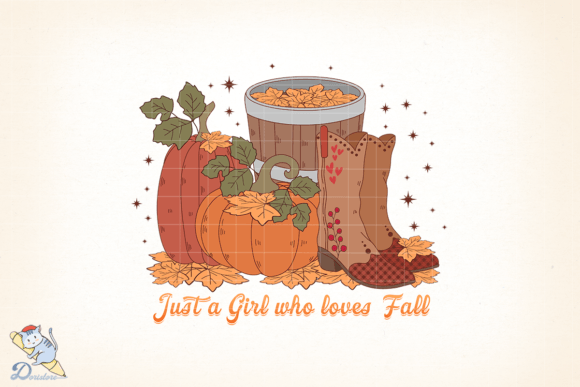
The crisp air, the rustling leaves, and the cozy atmosphere of autumn inspire countless creators. For those looking to capture this sentiment in their own projects, Just a Girl Who Loves Fall offers a charming solution. This digital artwork combines the organic feel of freehand pen and ink with the soft vibrancy of watercolour highlights. It is designed specifically for individuals who want to bring a touch of seasonal warmth to sublimation, waterslide transfers, or standard printing without the hassle of creating art from scratch.
However, purchasing a digital file is different from buying a physical product. Many buyers approach these downloads with misconceptions about what they are receiving, leading to frustration when the final print does not match their expectations. Understanding the technical specifications and artistic limitations of files like Just a Girl Who Loves Fall is crucial for achieving professional results. By avoiding common pitfalls regarding resolution, background handling, and color management, you can ensure your project looks exactly as intended.
Understanding the Artistic Style and Technical Specifications
Before integrating this image into your workflow, it is essential to appreciate its unique composition. The piece begins as a hand-drawn illustration using flowing line work, mimicking the natural movement of a pen on paper. This freehand style gives the character a whimsical, imperfect charm that rigid vector graphics often lack. To enhance this effect, watercolour brushes are applied digitally to pick out specific highlight colors, adding depth and a painterly texture.
Technically, you will receive a high-quality PNG file contained within a zipped folder. The file boasts a resolution of 300 DPI at dimensions of 4000×4000 pixels. This specification is significant because it allows you to print the image at various sizes while maintaining sharpness. Unlike lower-resolution images that pixelate when enlarged, this file supports large-format prints suitable for canvases, t-shirts, or mugs. However, the format dictates how the file behaves in design software. Since it is a raster image (PNG) rather than a vector file, scaling it beyond its original dimensions will eventually degrade quality. Knowing the limits of your digital asset prevents wasted materials and time.
Common Mistakes When Working with Digital Downloads
One of the most frequent errors beginners make is assuming that a digital download includes cutting files. Many crafters expect SVG or DXF files compatible with machines like Cricut or Silhouette. Just a Girl Who Loves Fall does not include these cutting paths. It is strictly a printable image intended for sublimation, waterslide, or regular inkjet/laser printing. Attempting to force this PNG into a cutting machine's software will result in errors or poor cut lines because the software cannot trace the complex watercolour textures and flowing ink lines accurately without manual tracing.
Another overlooked detail involves the transparent background. While a transparent PNG is versatile, it requires a workspace that supports alpha channels. If you place this image into a basic photo editor that defaults to white backgrounds, you may inadvertently add a solid white box around the girl, ruining the seamless look required for sublimation on dark fabrics or waterslide decals. Always verify your canvas settings before importing the file.
Color variance is also a major source of dissatisfaction. The description explicitly notes that colors may vary between devices and printers. What appears as a vibrant burnt orange on your calibrated monitor might print as a muted brown due to printer ink profiles or paper absorption rates. Relying solely on screen previews without accounting for your specific printing method can lead to a final product that feels dull or mismatched compared to your vision.
How to Avoid Pitfalls and Ensure Quality Results
To get the best outcome from Just a Girl Who Loves Fall, start by confirming your intended application. If your goal is to cut vinyl shapes, this file is not the right choice; you would need a vector alternative. However, if you are printing onto fabric, ceramic, or paper, this file is ideal. For sublimation, ensure you are using a printer capable of handling CMYK color spaces effectively, as the watercolour effects rely on subtle gradients that some consumer printers struggle to reproduce faithfully.
When preparing the file for print, always unzip the folder first. Trying to open a compressed file directly in certain design programs can cause corruption or loading errors. Once extracted, check the file properties to confirm the 300 DPI resolution. If you plan to print larger than 13x13 inches, consider that while the file is high quality, pushing it too far might soften the fine details of the pen strokes. A safe bet is to test print a small section on plain paper to gauge the density of the ink and the clarity of the lines before committing to expensive transfer paper or specialty substrates.
Managing color expectations is equally important. Before running a full batch, perform a test print on the actual material you intend to use. If you are doing waterslide transfers, the drying process can slightly alter color saturation. If you are sublimating, the heat press temperature and duration play a massive role in how the watercolour highlights bloom. Adjust your printer driver settings to "Photo" or "High Quality" mode to maximize the dynamic range of the ink, ensuring the flowing lines remain crisp and the watercolour spots retain their vibrancy.
Evaluating Your Needs Before Downloading
Before making a purchase decision, ask yourself if this specific style aligns with your brand or project aesthetic. The freehand, flowing line style is perfect for rustic, bohemian, or handmade vibes but may clash with ultra-modern or corporate designs. Consider the context where the image will live. Will it be on a tote bag held by customers? A sticker on a laptop? A mug in a coffee shop? The versatility of the transparent background makes it adaptable, but the artistic style must resonate with your target audience.
Furthermore, evaluate your technical capability. Do you have the software to manipulate a PNG file if you need to resize it or adjust the contrast? While the file is ready to print, having access to tools like Adobe Photoshop, GIMP, or even advanced features in Canva Pro will give you more control over the final output. If you are a complete beginner with no design experience, ensure you understand how to handle zipped folders and transparent layers to avoid confusion upon download.
Finally, remember that Just a Girl Who Loves Fall is an instant digital download. There is no physical item shipping to your door. This means there are no returns once the file is downloaded. Read the terms carefully to ensure you understand the licensing. Typically, these files are for personal use or limited commercial use depending on the seller's policy. Misunderstanding the license can lead to legal issues if you mass-produce items without the appropriate rights.
Maximizing the Potential of Your Autumn Project
By approaching this digital asset with a clear understanding of its format and limitations, you transform a simple download into a powerful creative tool. The combination of pen and ink flow with watercolour accents provides a unique texture that stands out in a sea of generic clip art. Whether you are a small business owner creating seasonal merchandise or a hobbyist decorating your home, the key lies in preparation.
Avoid the trap of assuming all digital files are created equal. Respect the distinction between raster and vector, anticipate color shifts, and test your prints. With careful planning and the right techniques, Just a Girl Who Loves Fall can become a standout element in your autumn collection, delivering the warm, nostalgic feeling of the season with professional precision.