Bringing Romance to Life: The Versatility of Love Story Watercolor Clipart
In the vibrant world of digital design, where sleek vectors and pixel-perfect graphics often dominate, there is a unique charm found in the imperfections of hand-drawn art. Love story clipart that mimics the soft textures of watercolor offers a warmth and emotional depth that rigid digital lines simply cannot replicate. Whether you are a graphic designer looking to add a touch of whimsy to a wedding invitation or a small business owner creating seasonal marketing materials, understanding the value and application of high-quality watercolor illustrations is essential for modern creative projects.
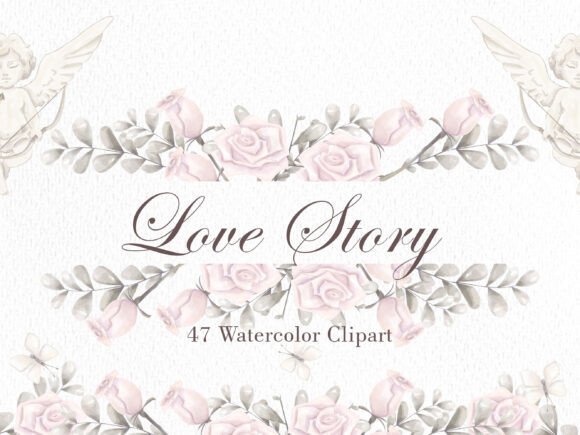
This article explores the significance of these artistic elements, how they are crafted using tools like Adobe Photoshop, and why they remain a staple for decorators of both physical and digital products. From postcards to website headers, we will examine how a collection of 47 distinct elements can transform your creative output.
The Unique Appeal of Hand-Drawn Watercolor Aesthetics
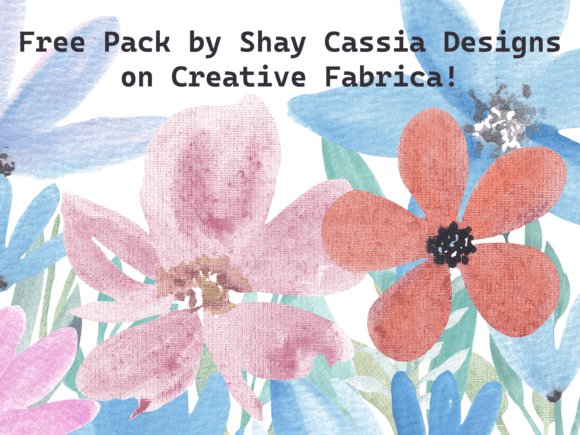
Why does watercolor continue to captivate audiences in an age of hyper-realism? The answer lies in its organic nature. Unlike standard vector graphics, which rely on mathematical precision, watercolor illustrations capture the fluidity of paint mixing with water. This creates gradients, blooms, and subtle color variations that feel alive.
When we discuss Love Story An illustration, we are referring to a specific style where romantic themes—such as hearts, couples, flowers, and celestial bodies—are rendered with this soft, painterly technique. These images evoke nostalgia, tenderness, and intimacy. They are particularly effective for:
- Wedding Stationery: Invitations and save-the-date cards benefit from the elegant, dreamy quality of watercolor.
- Valentine's Day Marketing: Brands use these visuals to convey affection without appearing overly commercial or harsh.
- Personal Branding: Coaches, bloggers, and artists use them to create a welcoming and approachable online presence.
The "hand-drawn" aspect adds a human touch. In a digital landscape saturated with automation, seeing evidence of a human artist's brushstroke creates a connection between the creator and the viewer. It suggests care, effort, and authenticity.
Crafting Digital Watercolors in Adobe Photoshop
A common misconception is that watercolor art must be created on traditional paper and then scanned. While traditional methods exist, modern technology allows artists to achieve stunning results entirely digitally. Using Adobe Photoshop and specialized watercolor brushes, designers can simulate the behavior of real pigment on wet paper.
These digital brushes are programmed to react to pressure, tilt, and flow, mimicking the way real water interacts with fibers. This allows for incredible control while retaining the organic look. Artists can layer colors, blend edges seamlessly, and correct mistakes without ruining the entire piece. The result is a high-resolution digital asset that looks indistinguishable from a physical painting but offers the flexibility of a digital file.
It is important to note that because these files are digital representations of light and color, color may differ solely due to the features of the device used. A screen calibrated for professional printing will display hues differently than a smartphone or a standard laptop monitor. This is a fundamental characteristic of digital media, not a flaw in the artwork itself. Designers should always proof their work on multiple devices or request printed proofs when color accuracy is critical for physical production.
Technical Specifications: Why Quality Matters
When selecting clipart for professional use, technical specifications are just as important as aesthetic appeal. A low-resolution image might look fine on a social media thumbnail but will appear blurry and unprofessional when printed on a large banner or a high-quality textile.
This specific collection of love story illustrations is designed with versatility in mind. Each element is provided in both JPG and PNG formats, offering flexibility for different software environments. More importantly, the resolution is a robust 300 DPI (Dots Per Inch) at dimensions ranging from 5000 x 5000 pixels.
Let's break down why these numbers matter:
- 300 DPI: This is the industry standard for print. It ensures that when you print a postcard, a t-shirt, or a book cover, the image remains crisp and sharp, with no visible pixelation.
- 5000 x 5000 Pixels: This massive canvas size allows for significant scaling. You can crop a single flower from a larger composition and still have enough resolution to use it as a standalone logo or icon.
- PNG Format: For web design, the PNG format is crucial because it supports transparency. This means you can place a watercolor heart over a busy background pattern without an unsightly white box around it.
Having access to 47 elements within a single collection provides a comprehensive toolkit. Instead of searching for disparate assets that might clash in style, you have a cohesive set that works together harmoniously. This consistency is key to building a strong visual identity.
Practical Applications: From Postcards to Websites
The true power of a high-quality clipart collection lies in its adaptability. These love story elements are suitable for decorating both physical and digital products, bridging the gap between tangible goods and online experiences.
Physical Products and Textiles
In the realm of physical goods, watercolor designs are incredibly popular. Imagine a collection of Valentine's Day postcards featuring soft pink roses and handwritten-style typography. Or consider a line of apparel, such as tote bags or cotton tees, adorned with delicate floral motifs. The texture of watercolor translates beautifully onto fabric, adding a vintage, artisanal feel that mass-produced graphics lack.
For small businesses, these elements can be used to create packaging stickers, gift tags, and greeting cards. The ability to scale the 5000-pixel images ensures that whether you are printing a tiny sticker for a lip balm or a large poster for a gallery wall, the quality remains pristine.
Digital Design and Web Development
On the digital front, these illustrations enhance user experience by making interfaces feel softer and more inviting. Website design for holidays, such as Valentine's Day or Mother's Day, often requires a temporary shift in tone. Incorporating these watercolor elements into hero banners, blog posts, or email newsletters can instantly elevate the mood.
Furthermore, social media managers can use these assets to create engaging content. A carousel post featuring different elements from the collection can tell a visual story about love, friendship, or self-care. Because the files are high-resolution, they look excellent even on high-density Retina displays found in modern smartphones.
Common Misunderstandings About Digital Clipart
Despite the widespread availability of digital assets, several misunderstandings persist among beginners and even some experienced users.
Misconception 1: "Digital watercolor looks fake."
With the right brushes and techniques in Photoshop, digital watercolor can be indistinguishable from traditional media. The key is understanding how light and shadow interact with the simulated paper texture. When done correctly, the result is authentic and emotive.
Misconception 2: "One size fits all."
Not all clipart collections are created equal. Many free resources offer low-resolution images (72 DPI) intended only for screen viewing. Using these for print will result in poor quality. Always verify the DPI and pixel dimensions before purchasing or downloading.
Misconception 3: "I need to know how to paint to use this."
One of the greatest benefits of buying a pre-made collection is accessibility. You do not need to be an artist to utilize these elements. With basic design software, anyone can drag, drop, resize, and arrange these 47 elements to create professional-looking compositions.
Integrating Love Story Elements into Your Creative Workflow
To get the most out of a collection like this, consider how it fits into your broader creative strategy. Start by identifying the mood you want to convey. Do you want something playful and bright, or perhaps moody and romantic? Select elements from the collection that align with your color palette.
Experiment with layering. Place a semi-transparent watercolor shape behind text to make it pop. Use smaller elements as bullet points in a document or as icons in a navigation menu. The versatility of having 47 distinct items encourages experimentation and prevents visual monotony.
Remember that design is about storytelling. These love story illustrations are not just decorations; they are narrative tools. A single image of two hands holding can communicate trust and partnership more effectively than paragraphs of text. By integrating these visuals thoughtfully, you enhance the message you are trying to deliver.
Conclusion: The Enduring Value of Artistic Detail
In a fast-paced digital world, the slow, deliberate beauty of hand-drawn watercolor art stands out as a beacon of creativity and emotion. A high-quality collection of Love Story Clipart offers more than just images; it provides a foundation for expressing connection, joy, and celebration across various mediums.
Whether you are designing a physical product like a textile or a digital interface for a holiday campaign, the combination of 300 DPI resolution, 5000x5000 pixel dimensions, and the organic charm of Photoshop-created watercolors ensures your project will stand out. By understanding the technical requirements and the artistic potential of these elements, you can create work that resonates deeply with your audience, proving that sometimes, the most effective design is the one that feels most human.
As you embark on your next creative endeavor, remember that the right tools can transform a simple idea into a masterpiece. With 47 versatile elements at your disposal, the possibilities for telling your own love story through design are endless.