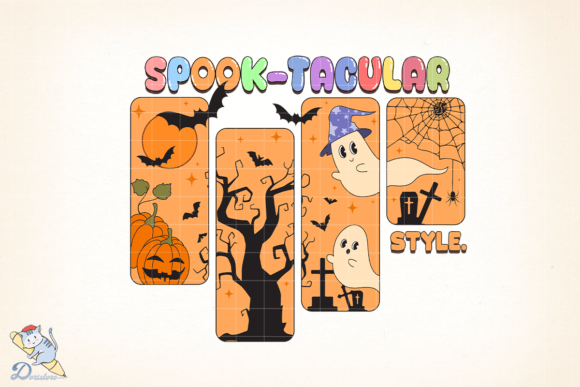
Evaluating Spook-tacular Style Digital Art
For creators and crafters looking to add a distinct aesthetic to their projects, the Spook-tacular Style offers a unique blend of traditional artistic techniques and modern digital utility. This style is defined by its specific visual characteristics: freehand flowing lines drawn with pen and ink, reproduced digitally, and accented with watercolour brushes to highlight key elements. Understanding the nuances of this style is essential for anyone considering it for sublimation, waterslide transfers, or standard printing applications.
Defining the Aesthetic and Technical Specifications
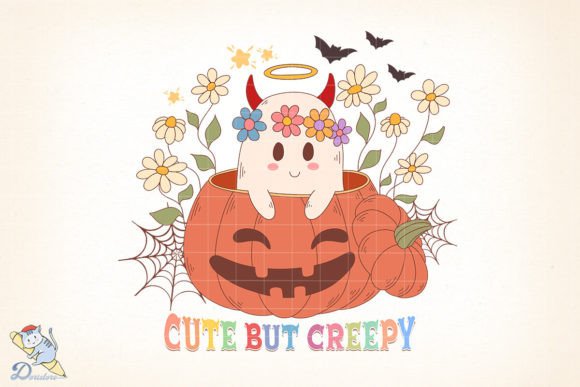
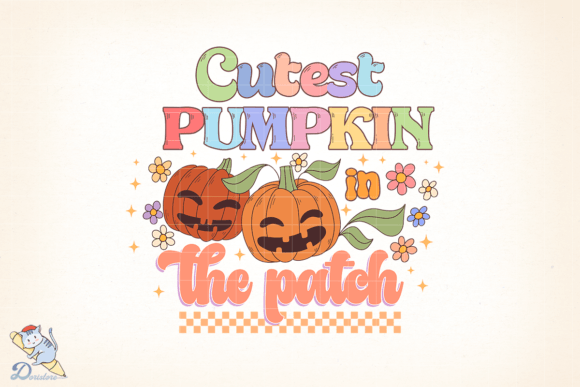
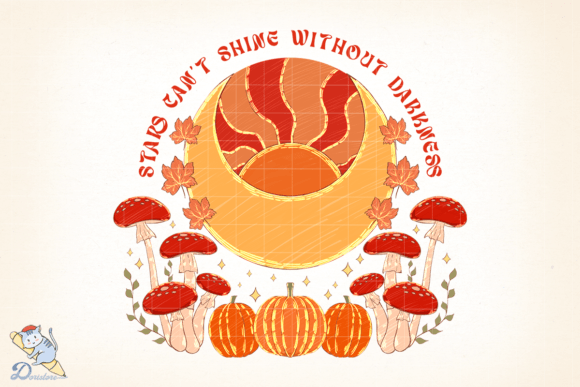
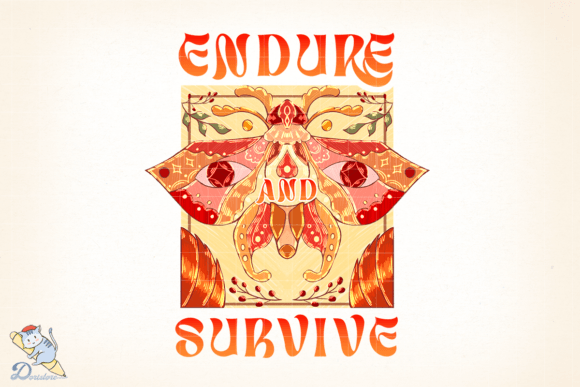
The core appeal of the Spook-tacular Style lies in its mimicry of hand-drawn artistry. Unlike vector graphics that rely on mathematical precision and sharp edges, this style utilizes organic, freehand lines. These lines are created using pen and ink, capturing the natural variation and flow of a human hand. Once the drawing is complete, it is digitized to create a high-resolution file. The colour palette is intentionally restrained; rather than filling every area, watercolour brushes are used sparingly to pick out a few highlight colours against the monochrome ink base.
Technically, the product is delivered as a PNG file within a zipped folder. The resolution is standardized at 300 DPI with dimensions of 4000×4000 pixels. This specification ensures that the image retains clarity when printed at various sizes. A critical feature of these files is the transparent background, which allows the artwork to be placed over different textures or backgrounds without a distracting white box surrounding the design. It is important to note that while the files are ready for print, they do not include cutting files, meaning they are intended for printing processes rather than die-cutting or vinyl weeding.
Reasons to Consider Spook-tacular Style
Crafters and designers often seek this style when they want to achieve a vintage or artisanal look without the time commitment of creating original art from scratch. The combination of ink and watercolour evokes a sense of nostalgia and hand-crafted quality that resonates well in seasonal markets, particularly around autumn and Halloween themes. For those producing merchandise such as t-shirts, mugs, or greeting cards, the "hand-drawn" feel can differentiate a product from mass-produced, computer-generated alternatives.
Furthermore, the versatility of the digital format supports a range of production methods. Because the files are provided in PNG format with high resolution, they are suitable for sublimation printing on ceramics and textiles, as well as waterslide transfers for glass or metal objects. The transparent background simplifies the design process, allowing users to composite the image into existing layouts easily. For individuals who lack advanced illustration skills but desire a professional, artistic result, this style provides a practical shortcut.
Benefits and Practical Advantages
The primary benefit of utilizing Spook-tacular Style digital files is the balance between artistic depth and technical convenience. The 4000×4000 pixel size at 300 DPI offers significant flexibility. Users can scale the image down for small tags or scale it up for larger posters without immediate loss of quality, provided the printer capabilities match the resolution. The instant download nature of the product eliminates shipping delays, allowing for rapid prototyping and production.
Additionally, the selective use of colour in the watercolour highlights creates a focal point that guides the viewer's eye. This design choice reduces the complexity of the image, making it easier to integrate into busy designs or dark backgrounds where full-colour images might become muddy. The absence of solid blocks of colour also means that the print cost may be lower for certain dye-sublimation processes that charge based on ink usage, although this depends on the specific equipment used.
Tradeoffs and Considerations
While the Spook-tacular Style offers distinct advantages, there are tradeoffs that potential buyers must weigh. The most significant limitation is the exclusion of cutting files. If a project requires the design to be cut out precisely along the contours of the drawing—common in vinyl decal work or layered paper crafts—this file format will not suffice. Users would need to manually trace the design in vector software, which adds time and requires technical proficiency.
Another consideration is colour consistency. As with any digital file intended for physical reproduction, colors may vary between devices and printers. The subtle watercolour washes seen on a calibrated monitor might appear lighter or darker on a home printer compared to a professional commercial press. Creators should always print a test run before committing to a large batch to ensure the ink density and watercolour tones meet expectations.
Furthermore, the "freehand" nature of the line work means the edges are not perfectly crisp. While this is an aesthetic choice, it may not align with projects requiring geometric precision or ultra-sharp details. If the end goal is a clean, corporate, or minimalist look, the organic irregularities of the pen and ink style might be perceived as too informal or cluttered.
Situations Where This Style Fits Best
The Spook-tacular Style is an excellent fit for seasonal decor, particularly for Halloween and autumn-themed items. The spooky yet artistic vibe complements products like pumpkin patches, haunted house invitations, and themed apparel. It is also well-suited for artists who sell handmade goods on platforms like Etsy, where customers value the perception of hand-made craftsmanship. The style works particularly well on textured surfaces where the ink lines can interact with the grain of the material, enhancing the organic feel.
It is also a strong choice for sublimation projects where the design needs to wrap around curved surfaces, such as tumblers or phone cases. The transparent background and lack of rigid borders allow the image to blend seamlessly with the object's shape. Additionally, for educators or hobbyists looking to create worksheets, stickers, or scrapbook elements, the high-resolution PNG provides enough detail for clear reproduction without the need for complex editing.
When Alternatives May Be Worth Considering
There are scenarios where seeking an alternative to the Spook-tacular Style is advisable. If the project involves large-scale outdoor signage or banners, the resolution of a 4000×4000 pixel file might eventually show pixelation if scaled beyond a certain point, whereas a vector-based SVG file could scale infinitely. Similarly, if the design workflow relies heavily on layer separation for multi-pass printing or intricate masking, a single-layer PNG might require additional processing steps.
Users who require precise cutting paths for Cricut or Silhouette machines should look for products that explicitly include DXF or SVG cutting files. Attempting to adapt a raster-based PNG for cutting often results in jagged edges or requires significant manual intervention. Finally, if the brand identity demands a bold, saturated, and fully coloured look, the muted, highlight-focused approach of the watercolour and ink style may not provide the visual impact required.
Decision-Making Insights
To determine if the Spook-tacular Style aligns with your goals, evaluate your production workflow first. Do you have access to sublimation or waterslide printing equipment? If yes, the high-resolution PNG is likely a valuable asset. If your workflow centers on vinyl cutting, this product may require supplementary tools or software to be viable.
Consider the aesthetic requirements of your target audience. Does your market appreciate the rustic, hand-drawn charm of pen and ink, or do they prefer sleek, modern vector graphics? The Spook-tacular Style is niche; it excels in contexts that value tradition and artistry but may fall flat in settings demanding strict uniformity.
Finally, account for the variability in colour reproduction. Plan for a testing phase where you print samples on your specific media. This step is crucial for managing customer expectations regarding how the watercolour highlights will appear in the final product. By understanding these parameters, you can make an informed decision on whether this digital file meets the specific needs of your creative project.